Why 40% of DSE Students Won't Ask for Help: The Cost of Labelling
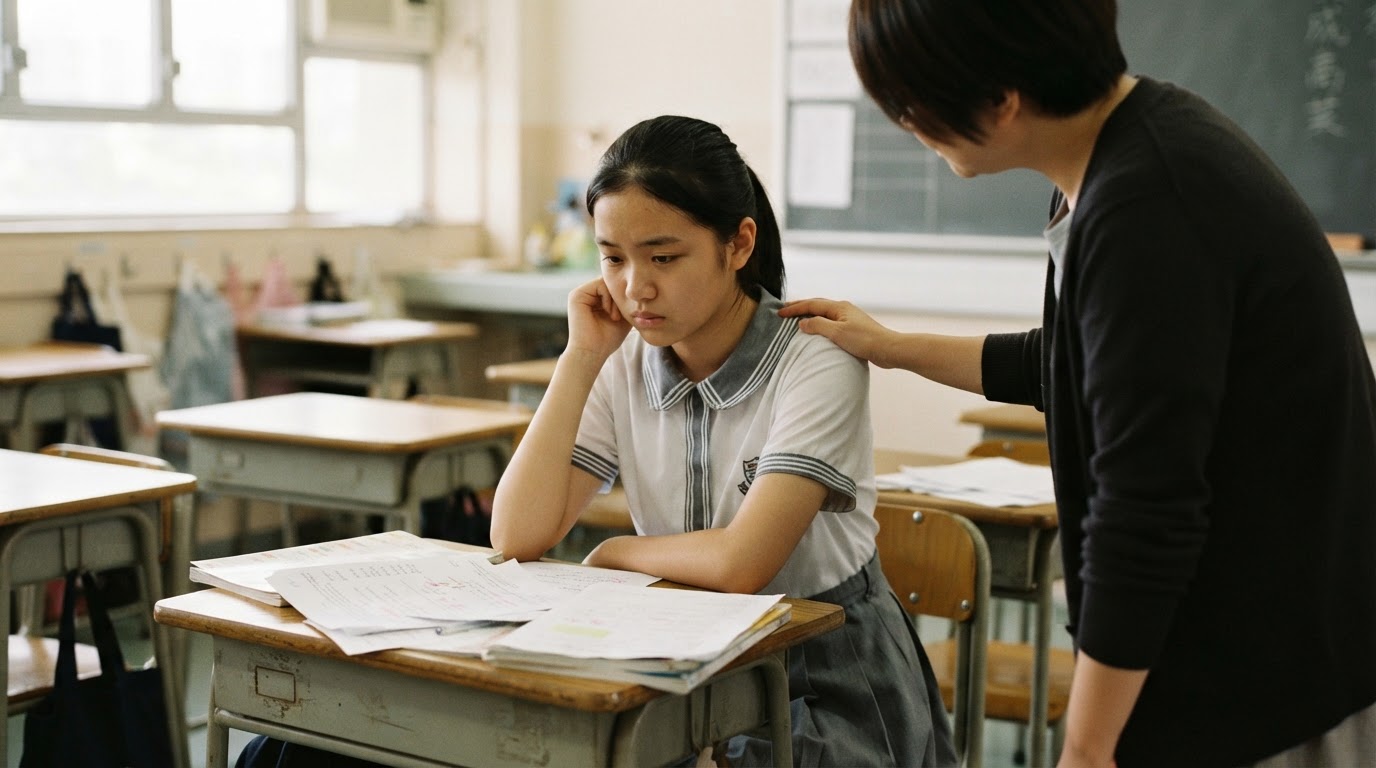
💔 Four in ten DSE students are carrying depression or anxiety alone — yet few dare to reach out
A recent study commissioned by the Hong Kong Council of Social Service (HKCSS), supported by the Lee Kum Kee Family Foundation and conducted by the Hong Kong Policy Research Institute, found that four in ten HKDSE candidates showed symptoms of depression or anxiety, and around three in ten had insomnia. The most heartbreaking part isn't the numbers — it's that they are reluctant to seek help.
🌫️ Why do they stay silent despite the pain?
Because they're afraid: the moment they speak up, they'll be labelled. "You're sick." "You're not normal." "You're a problem student." These labels ring in their ears before they even open their mouths. It's not that students don't want help — it's that they fear becoming "a person with a problem" in the eyes of teachers, classmates and family.
Not labelling someone is the best form of support.
🧩 A holistic psychology perspective
- A person's suffering is never a single "symptom" — it's an imbalance across the whole "person × family × school × peers" network.
- Students hesitate to ask for help precisely because they fear being "categorised" — being diagnosed as a "case number" instead of being understood as a living, breathing person.
- We believe in "no labels, Be Water": instead of categorising people, we meet them in their real circumstances and let them be heard and accepted.
⚖️ Why conventional approaches can fall short (a gentle aside)
- They're quick to run personality tests and stick on diagnostic labels, turning a living teenager into a "case number".
- They lean too hard on "empirical data" while overlooking the real, complex family and school context behind each student.
- This "classification mindset" raises the barrier to help — students are scared before they've even spoken.
📜 The HKCSS's recommendation echoes this direction
Their call is for home-school collaboration to promote cross-sector "labelling-free support". To help these students, the answer isn't "diagnosing what's wrong with them" — it's families, schools and peers coming together, without labels, to give them a space where they belong.
🔬 The evidence: labels become self-fulfilling
Psychology has long shown that when adults hold an "expectation" or "label" for a student, the student unconsciously moves toward it (the Pygmalion effect). A child labelled "naughty" becomes naughtier; a student labelled "problematic" becomes more afraid to ask for help.
💬 What about you?
Is there a young person around you who doesn't dare speak up? Want to experience being truly seen, without labels? Book a free 10-minute WhatsApp consultation — we'd be glad to listen.
References
- Hong Kong Council of Social Service (2025). A study on the mental health status and help-seeking intention of secondary school students facing HKDSE stress. (Official HKCSS study establishing 40% depression/anxiety, 30% insomnia, low help-seeking intention; advocates home-school "labelling-free support")
- Rosenthal, R., & Jacobson, L. (1968). Pygmalion in the classroom. The Urban Review, 3(1), 16–20. (The Pygmalion effect — teachers' expectations of students become self-fulfilling, supporting the "no labels" argument)