32% of Students Have Been Bullied: Bullying Isn't About "Bad Kids", It's About a Broken Group
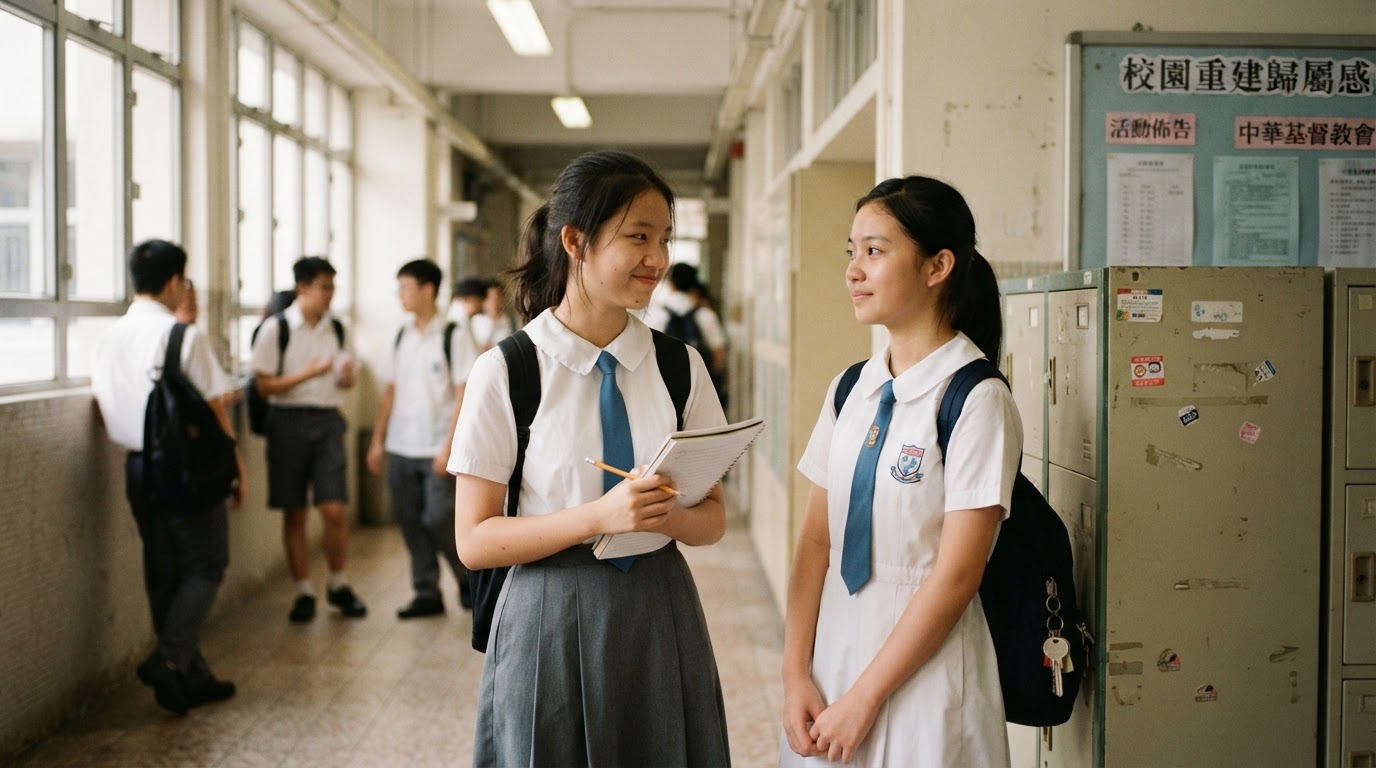
🧩 The Whole Is Greater Than Its Parts: Bullying Is a Broken Group Climate
Have you ever wondered how many tears hide in the quiet corners of a school? An OECD survey found that around 32% of students in Hong Kong say they have been bullied, far above the international average of roughly 19%. Yet over the past five school years, the Education Bureau received only 72 reported cases of school bullying. That gap tells us something important: many young people who are bullied never find the courage to speak up. Holistic psychology does not ask "who did what to whom". It asks a deeper question: how did this classroom, this whole school, come to allow a power imbalance to grow inside it?
👥 Belonging: The Deepest Pain Is Not Physical
What hurts most for a person being bullied is rarely the body. It is the feeling of being shut out by the whole group: no one to walk home with, always the last one picked when teams form, the empty seat left beside you. What hurts most in bullying is not the body, but being shut out by the whole group, a broken sense of belonging.
🏷️ No Labels: Do Not Rush to Separate "Good" and "Bad"
We are quick to divide people into "bully" and "victim", but once those labels are stuck on, the situation hardens further. Holistic psychology invites us to set labels aside and look at the whole system: why does this group allow a power imbalance? Why do bystanders stay silent? And how do the reactions of teachers and parents quietly keep the pattern alive?
💔 Why Power Imbalances Take Root
Bullying is not the problem of one bad kid, but a task a broken group must face together.
When a group's sense of belonging depends on excluding certain people, bullying finds fertile ground. The silence of bystanders, the "do not get involved" instinct among adults, all feed the imbalance. Being holistic means we cannot ask only the people involved to change; the whole group must relearn how to live together.
🌱 Rebuilding Connection: Starting with the Whole Group
Truly addressing bullying is not about "catching the bad kid". It is about helping an entire classroom, an entire family, rebuild connection so that everyone feels "I belong here". If your child, your student, or you yourself are living through this pain of exclusion, we would be glad to walk with you. Would you like to understand how to rebuild a group's connection? You are welcome to book a free 10-minute WhatsApp consultation.
References
- OECD. (2017). PISA 2015 Results (Volume III): Students' Well-Being. OECD Publishing.
- Baumeister, R. F., & Leary, M. R. (1995). The need to belong: Desire for interpersonal attachments as a fundamental human motivation. Psychological Bulletin, 117(3), 497–529.